
We choose our suppliers carefully, based on their expertise, workmanship and our shared values. When possible, we visit them annually, working closely together to ensure that the highest standards are maintained.
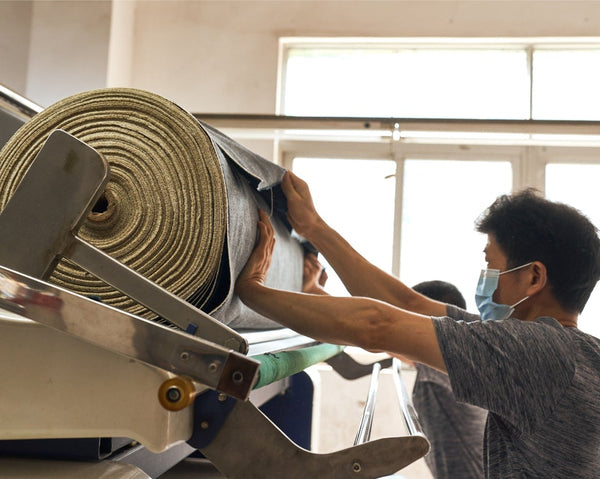
Each factory we work with is independently audited and is required to sign our Code of Conduct, based upon the Ethical Trading Initiative Base Code. It ensures that the following standards are maintained: working conditions are safe and hygienic for employees, no discrimination or harsh or inhumane treatment is condoned, no child labour, regular employment is offered, and employees wages meet, at a minimum, national legal standards.
Below are the profiles of our main suppliers—many of whom we’ve worked with for years. We’ll be updating this regularly with information on the factories, what they make for Assembly Label and why we choose to work with them. View our full supplier list here.
Suppliers
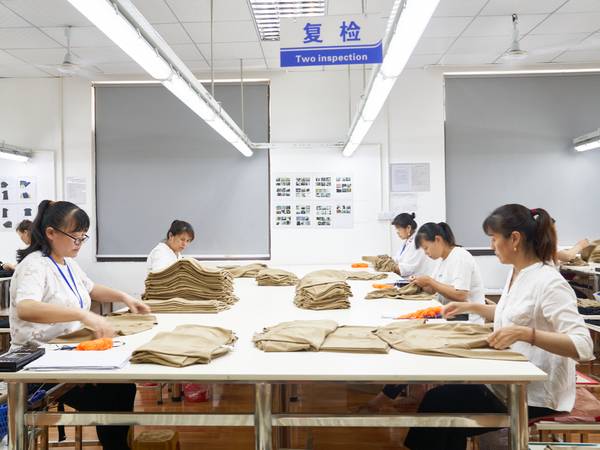
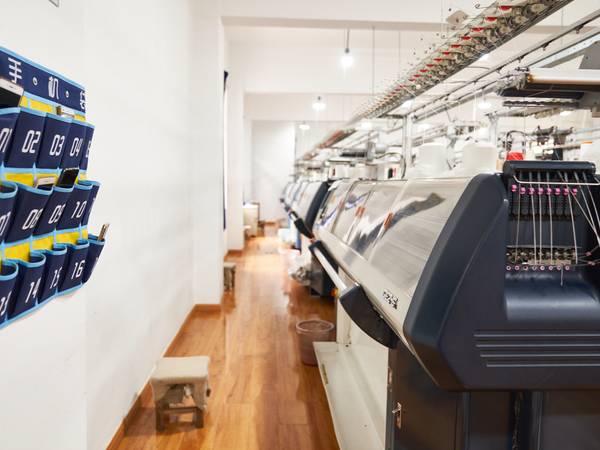
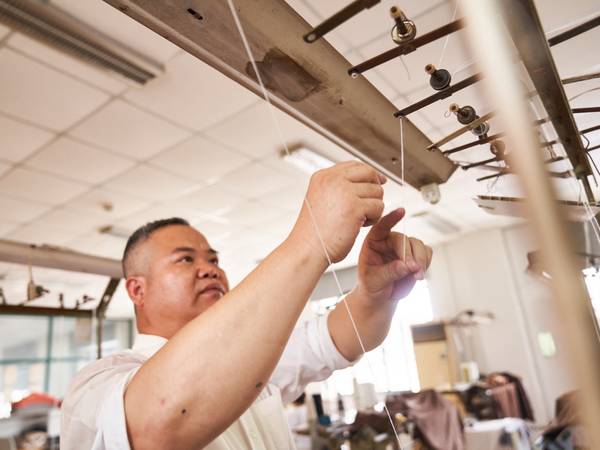
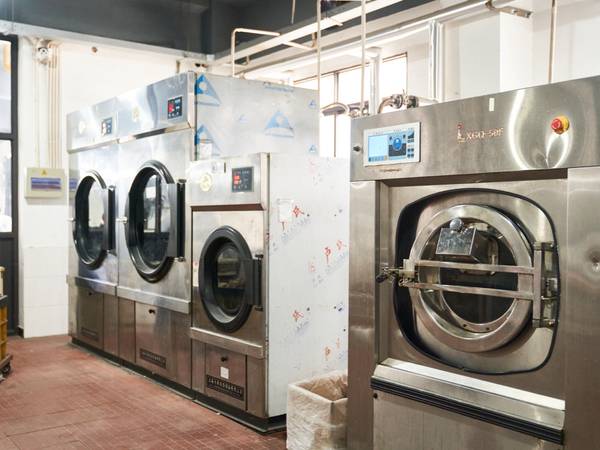
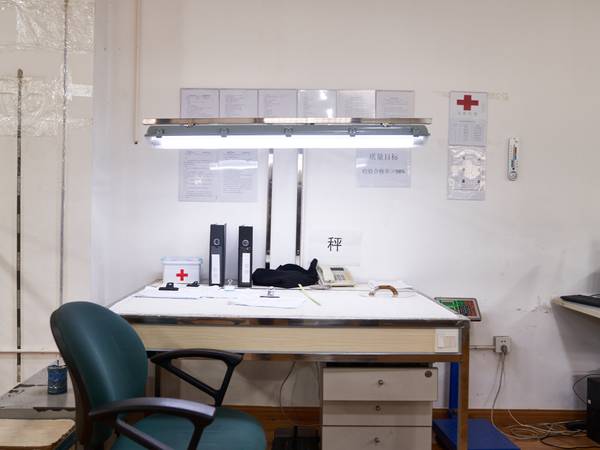
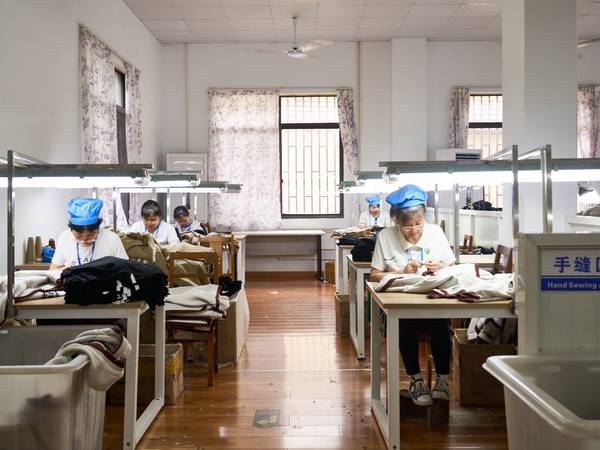
Knitwear Factory
Location: Shanghai, China
Number of Factory Employees: 120
Relationship Established: 2017
Certification: SMETA Certified
Materials: All-natural fibres including cotton, linen, wool and cashmere.
This factory came highly recommended by a family friend who knew of their attention to detail and expertise in premium knitwear. They are now responsible for all Assembly Label knitwear and work closely with us through design and development before bringing our collections to life from a small production facility...
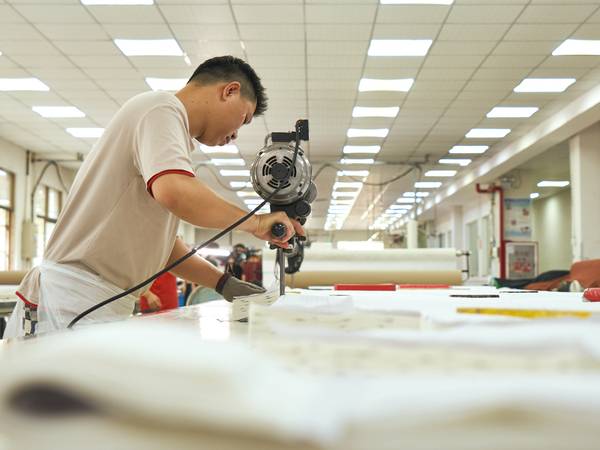
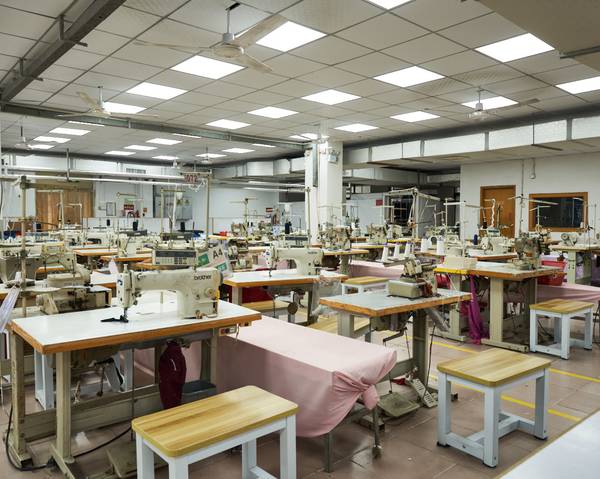
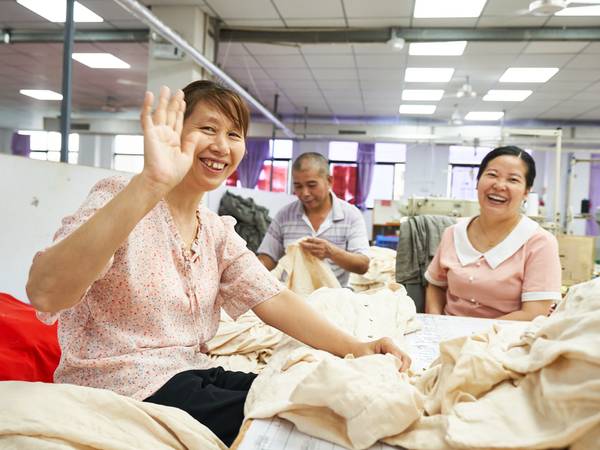
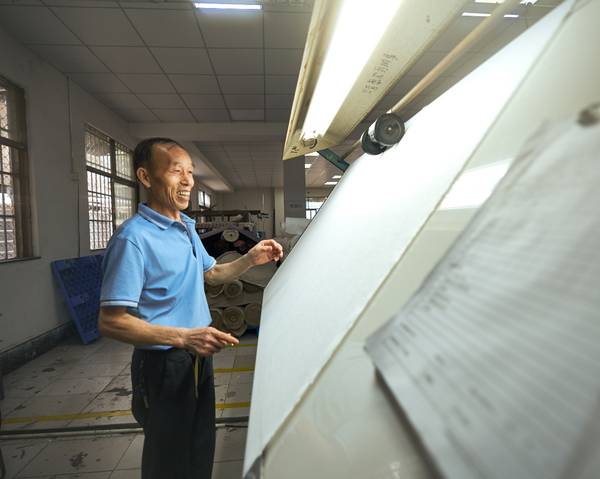
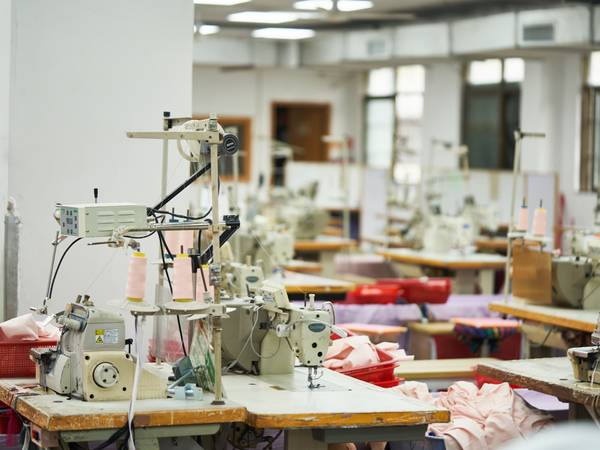
Woven Fabrics Factory
Location: Guangdong, China
Number of Employees: 165
Relationship Established: 2019
Certification: Gold Wrap Certified
Materials: All-natural fibres such as cotton and linen.
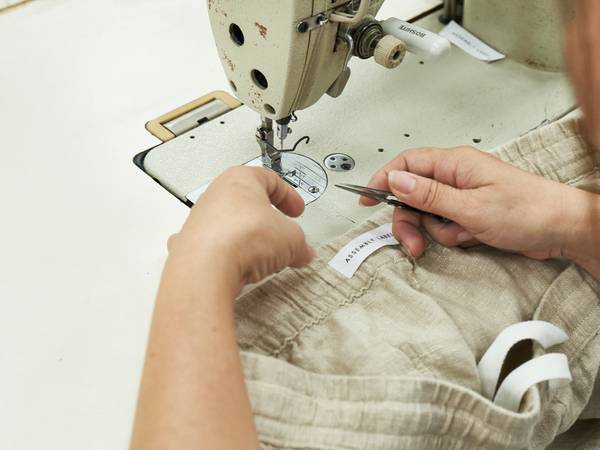
We work with the team on developing new seasonal styles in natural fabrics such as cotton and linen. They maintain a stringent quality control process and work hard to perfect the fit, styling, fabrication and wash with us during sampling.
Jacket and Tailoring Factory
Location: Shanghai, China
Number of Factory Employees: 42
Relationship Established: 2019
Certification: SMETA Certified
Materials: All natural materials: wool and linen
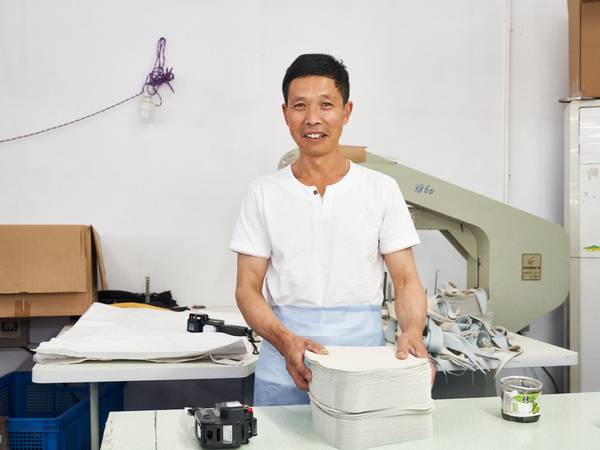
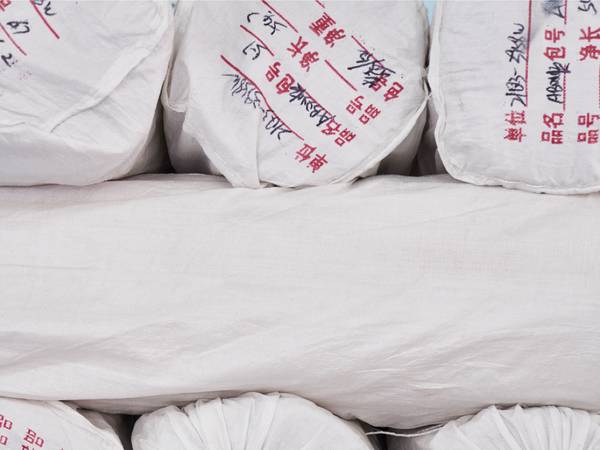
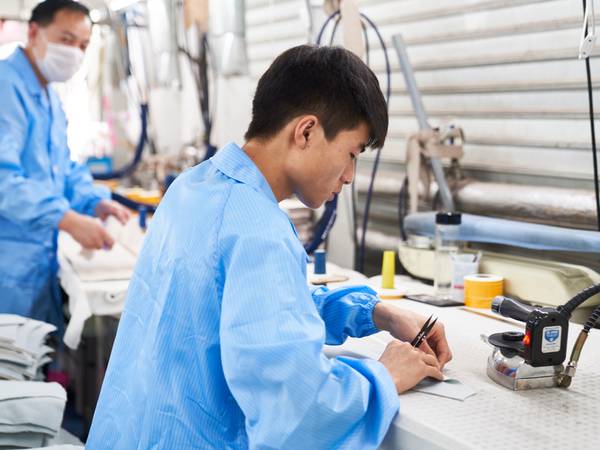
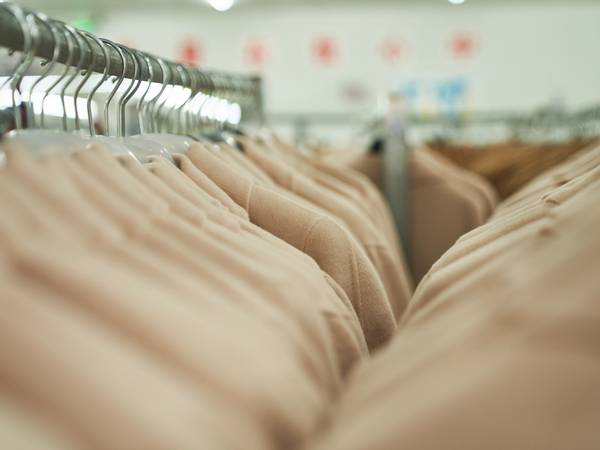
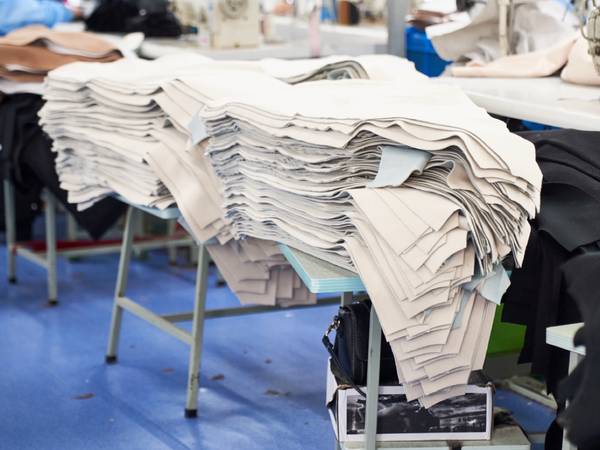
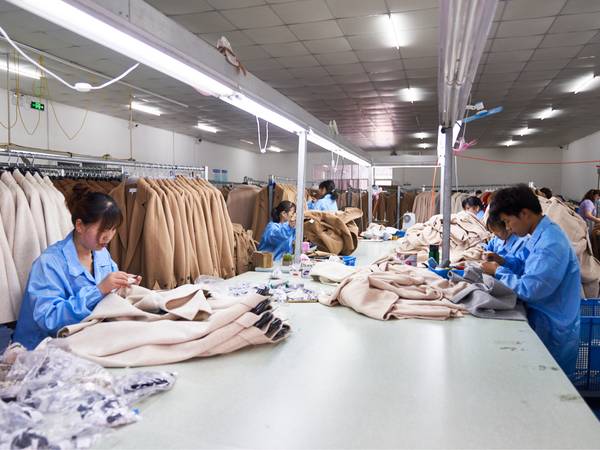
The team at our jacket and tailoring factory have years of experience making the finest tailored styles. We work closely with the team to ensure that the fit is perfected through the development process.
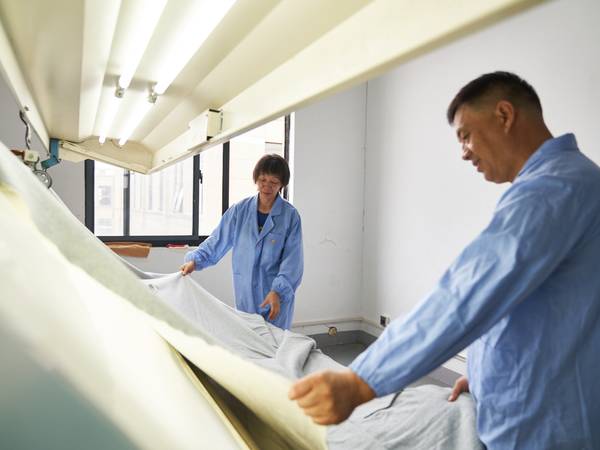
Cotton Jersey and Fleece Factory
Location: Shanghai, China
Number of Employees: 90
Relationship Established: 2011
Certification: SMETA Certified
Materials: Cotton, used for crafting our fleece and jersey.
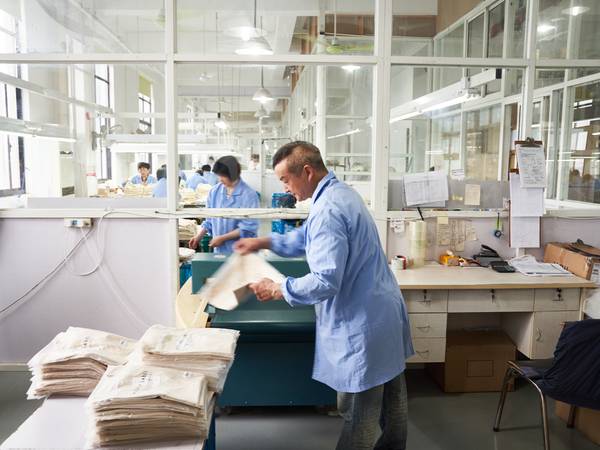
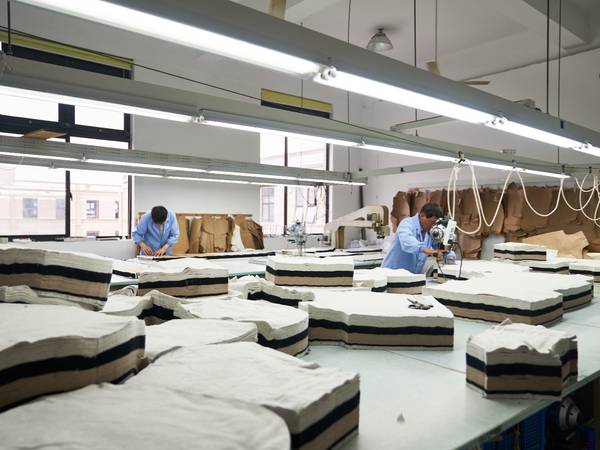
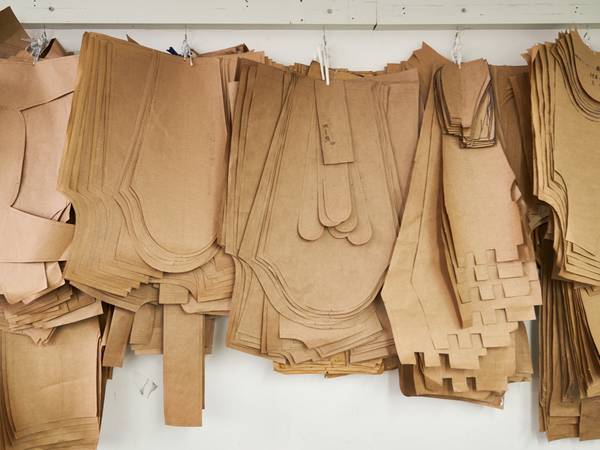
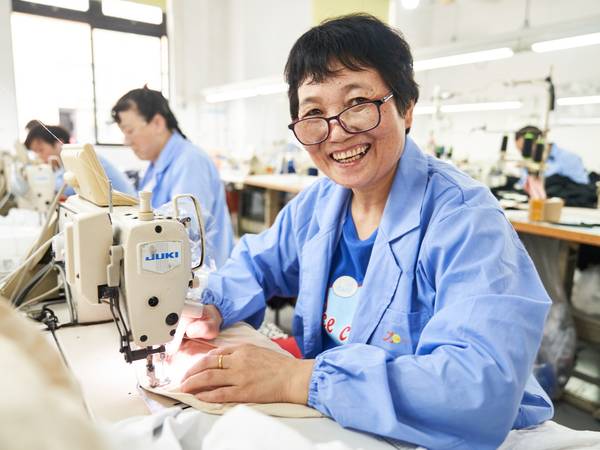
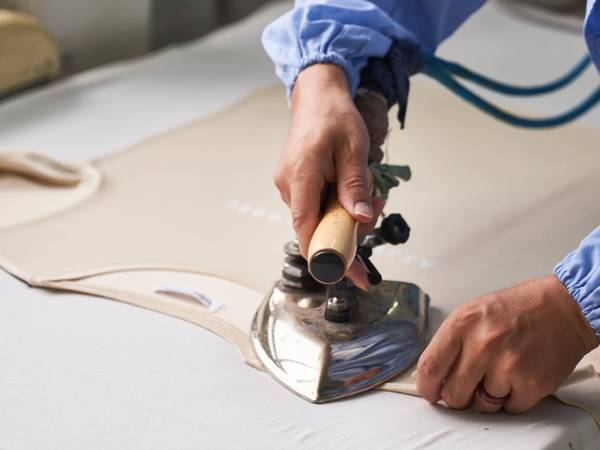
Our very first supplier, with whom we’re proud to have built a strong working relationship over 13 years. They are experts in textile production with a wealth of knowledge on fabrics, fits and washes. Alongside our design team, they work on crafting the core jersey and signature fleece styles.
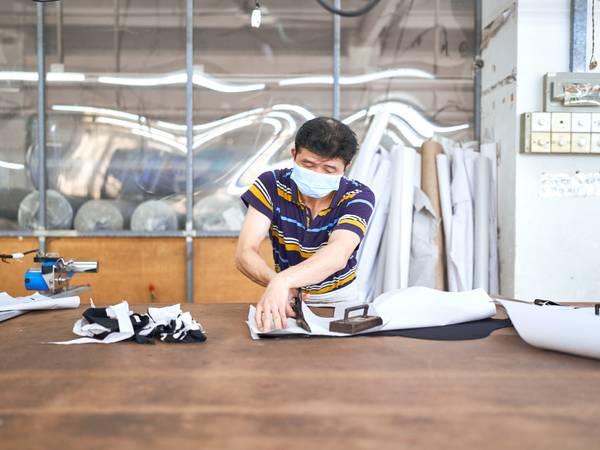
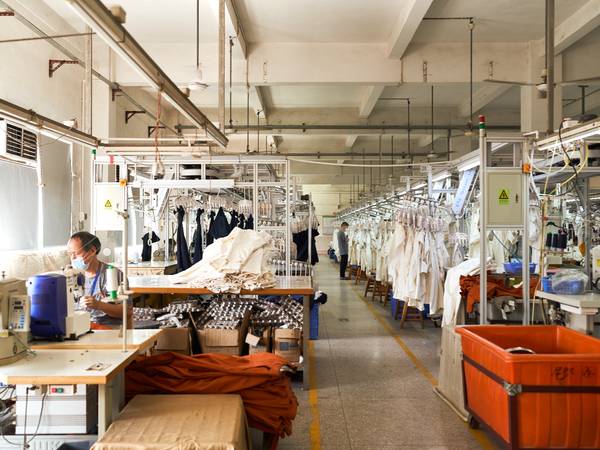
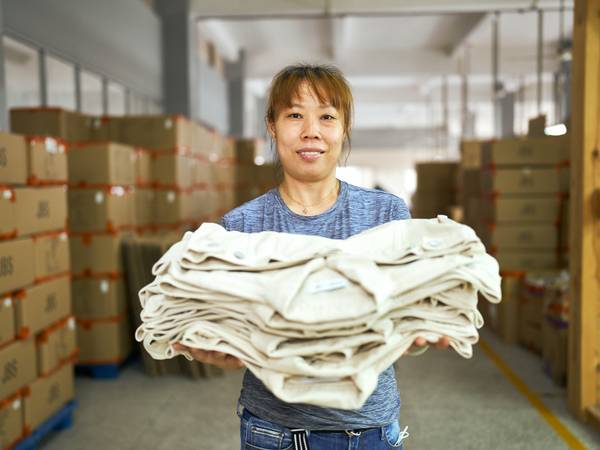
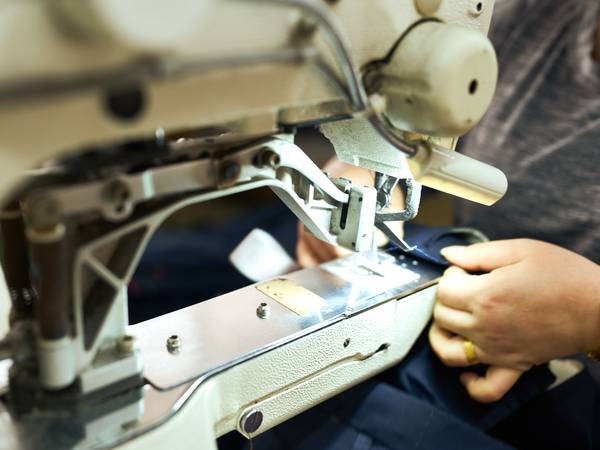
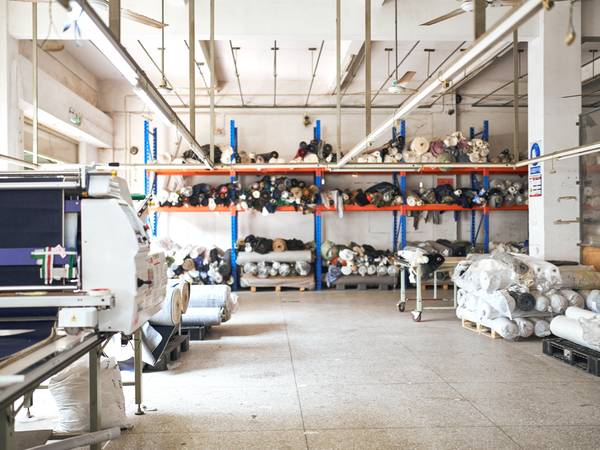
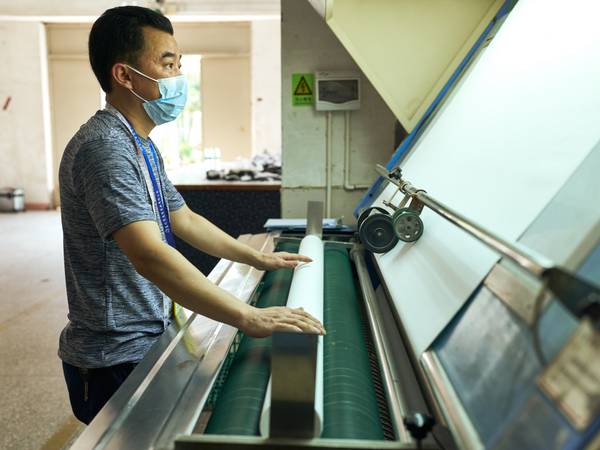
Denim Factory
Location: Guangdong, China
Number of Factory Employees: 42
Relationship Established: 2021
Certifications: BSCI
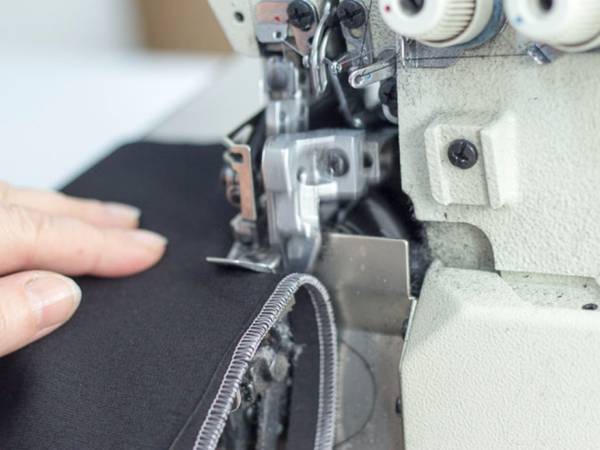
Leather Bag Factory
Location: Guangdong, China
Number of Factory Employees: 246
Relationship Established: 2022
Certifications: SMETA Certified
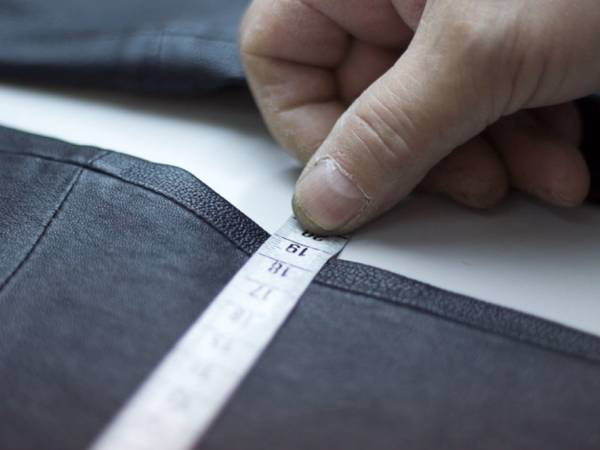
Our leather manufacturing partner, based in Guangdong, brings over 20 years of expertise in crafting high-quality leather goods. Certified to international standards, they combine skilled craftsmanship with modern production to ensure consistent quality. Working closely with Assembly Label, they support the development of refined, considered pieces aligned with our design.
Living Wage Commitment Statement
Assembly Label recognises that payment of a living wage is fundamental to protecting workers’ rights and enabling a decent standard of living for workers and their families. Wages paid at our supplier facilities are compliant with local minimum wage laws, and 80% of Tier1 factories pay above the minimum wage, however we acknowledge that they do not yet meet the living wage benchmark.
Read our full Living Wage Commitment Statement here.
Modern Slavery Statement
Assembly Label is committed to creating a culture that is built on the highest ethical standards for our team, partners, suppliers and all other members of our broader business. Assembly Label is strongly engaged in ensuring that it will continually seek to identify, mitigate and eliminate modern slavery risks and practices within its supply chain and operations, in line with relevant legislation and international conventions, treaties and protocols dedicated to addressing this issue.
Assembly Label strictly prohibits all types of modern slavery across its business operations and endeavours to continually seek to minimise modern slavery risks in its operations and supply chain.
Read our full Statement here.
Audit Report Findings
During FY25, Assembly Label’s Production team assessed 26 supplier factories, representing 100% of our active Tier 1 manufacturing base. Each factory was independently audited against our Supplier Code of Conduct. A further 26% of our Tier 2 suppliers have been audited.
No instances of child labour, forced labour, or discrimination were identified during this period. However, non-compliances were recorded relating to health and safety, living-wage and working hours. To address these findings, Corrective Action Plans (CAPs) around health and safety were implemented, followed up, and closed through desktop review.
The most common breach in the audit reports across all tiers are factories not paying all mandatory social benefits. There are five types of social insurance: accident, unemployment, medical, maternity and retirement. In some cases, workers opt out of the insurance, and the factory pays the worker directly instead of into the government scheme, or the workers have coverage in their local Provence.
Another issue is overtime exceeding the legal limit. Most workers choose to do extra overtime, with the majority doing 40-65 overtime hours per month. We are working with factories to minimise any pressure we put on workers, and we are training our team internally on how to make Responsible Purchasing choices.
Assembly Label do not have audit reports on Tier 3 suppliers, but in 2025 38% of the range was made with preferred fabrications through:
Global Organic Textile Standard
These standards ensure workers' rights and support farmers' livelihoods.
Assembly Label continues to strengthen supplier performance through actively following up Corrective Action Plans within recommended time frames, annual re-audits, and the integration of our anonymised grievance hotline to ensure safe, fair, and transparent workplaces across our supply chain.